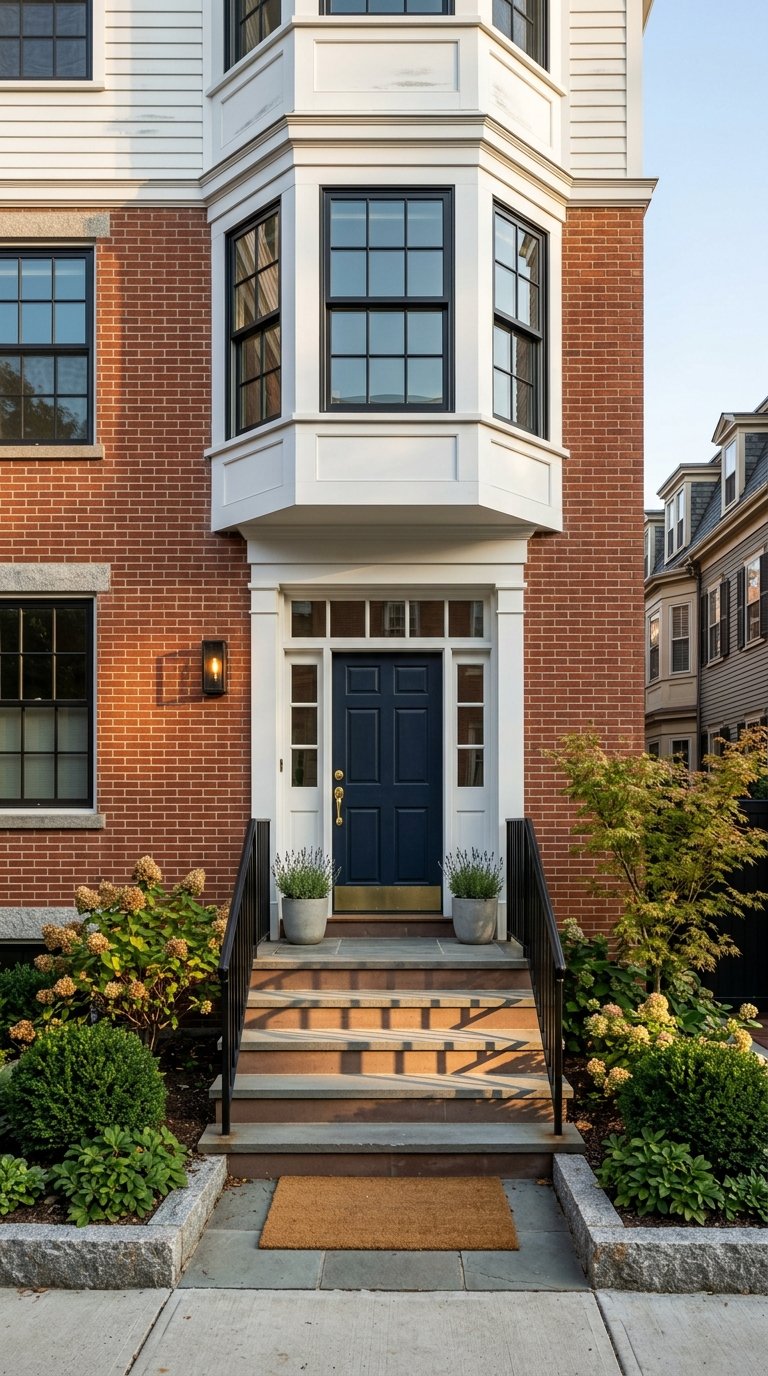
If you have started shopping for a condo in Cambridge, you have probably noticed something fast: two homes with similar square footage can feel like they belong to completely different markets. That is not your imagination. Cambridge condo pricing is shaped by transit access, building type, monthly fees, and hyper-local demand drivers that change from one square to the next. In this guide, you will see how the Cambridge condo market really works, what numbers to watch, and how to evaluate value with more confidence. Let’s dive in.
Why Cambridge condos act like micro-markets
Cambridge is not one simple condo market. It is a dense, transit-oriented city with a housing mix that creates very different buying conditions depending on where you look and what kind of building you want.
According to the City of Cambridge demographic data, the city had 58,966 housing units completed or under construction as of June 30, 2025. Of those dwellings, 27.6% are condominiums, 14.5% are in mixed-use buildings, and 34.1% are in buildings with more than 100 units. That matters because Cambridge gives you everything from small two-unit conversions to large amenity-heavy buildings, and buyers do not compare those options the same way.
Cambridge is also built around mobility. Redfin’s Cambridge condo page gives the city a Walk Score of 90, and the city’s district pages show how places like Harvard Square, Central Square, Kendall Square, and Porter Square are tied closely to Red Line access and major activity centers. In real terms, many buyers weigh walkability and transit just as heavily as square footage.
Cambridge condo market snapshot
If you want a quick read on today’s market, the headline is simple: Cambridge remains competitive, and inventory is still limited.
Redfin currently reports 121 condos for sale in Cambridge with a median listing price of $899,000. The same page notes that homes typically stay on the market about 26 days and receive 2 offers. Redfin still characterizes Cambridge as a seller’s market, which lines up with the city’s constrained supply.
It also helps to compare asking prices with recent closed-sale context. The City of Cambridge’s latest market-rate sales data places the 2024 median condo sale price at $870,000, so today’s median asking price sits a bit above last year’s median closed price. That does not automatically mean condos are overpriced, but it does mean you should evaluate each listing carefully instead of assuming list price equals market value.
Why Cambridge still feels expensive
Cambridge is expensive, but it is not operating in a vacuum. Nearby condo markets help give buyers some context.
Redfin’s Somerville condo page shows 60 condos for sale at a median listing price of $799,000, with homes averaging 38 days on market and 6 offers. Brookline is even pricier overall, with a February 2026 median sale price of $1.325 million for all home types, not condos only. Compared with those nearby areas, Cambridge remains premium-priced but still follows recognizable patterns tied to location, transit, and product type.
For you as a buyer, that means Cambridge pricing is high for reasons that are visible and measurable. Access to transit, proximity to major employment centers, and limited supply all support pricing, but not every condo deserves the same premium.
How pricing changes by square
Harvard Square condos
Harvard Square is one of Cambridge’s best-known mixed-use centers, and the city describes it as a regional destination with about 900,000 square feet of retail space on the Harvard Square district page. Buyers here are often paying for a close-in location, strong walkability, and a well-established urban setting.
Research in your source material suggests that close-in one-bedroom condos in Harvard Square often trade around $550,000 to $600,000, two-bedrooms around $700,000 to $850,000, and three-bedrooms from about $1.4 million to $2 million, with top-tier properties going higher. Another important pattern also shows up here: smaller-building inventory is limited, so condos in those buildings can command a premium.
Kendall Square and East Cambridge condos
Kendall Square is one of the clearest examples of Cambridge pricing tied to a specific demand engine. The city notes on its Kendall Square page that the area has transformed into a major innovation center serving MIT and surrounding neighborhoods, with restaurants, shops, hotels, and shuttle access nearby.
Buyer guidance in the research report places one-bedroom condos near Kendall at roughly $500,000 to $700,000 in older buildings and $750,000 to $900,000 in luxury buildings. Two-bedrooms often start around $800,000 and can reach $1.7 million to $2.3 million in larger luxury properties, while three-bedrooms can range from about $1.2 million to $3 million. Those numbers show how much building class can shape value before you even start comparing individual units.
East Cambridge sits between Kendall, the Charles River, and Lechmere, and the city describes it as an area shaped by older residential blocks, office and lab uses, and riverfront apartment development on the East Cambridge neighborhood page. For buyers, that mix helps explain why demand here tracks transit, employer access, and waterfront adjacency so closely.
Central Square and Cambridgeport condos
Central Square functions as a traditional downtown and Red Line hub. On the city’s Central Square page, you can see how the area blends government, arts, nightlife, and professional services, which makes it a very different buyer experience from Kendall or Harvard.
Your research suggests that nearly 100 condos sold within walking distance of Central Square in 2025, with an average sold price around $1.125 million. Studios were roughly $500,000 to $550,000, one-bedrooms around $500,000 to $750,000, and two-bedrooms from the mid-$600,000s to about $1.3 million depending on condition and building class. In Central, price gaps often come down to practical features like parking, in-unit laundry, central air, layout, and overall finish level.
Porter Square and nearby smaller-building options
Porter Square offers a different kind of appeal. The city describes it as a transit-oriented district with subway, bus, and commuter rail connections on the Porter Square project page, and that flexibility attracts buyers who want strong access without relying on a single building type.
Research in your report says nearly 100 condos sold in Porter Square in 2025, with studios in the mid-$400,000s, one-bedrooms around $500,000 to $750,000, quality two-bedrooms around $800,000 to $950,000, and three-bedrooms starting around $1 million and moving above $2 million for larger or updated homes. One reason Porter can feel so different is the product mix: small associations, townhouse-style homes, two-unit conversions, and mid-size complexes all compete side by side.
Inman Square and Huron Village or Observatory Hill also matter for buyers who prefer neighborhood-scale housing. The city’s Inman Square district page describes a lively district with a mix of housing and street-level retail. Based on the city’s area descriptions and broader condo stock patterns, these areas often appeal to buyers who want smaller-building options rather than larger amenity-driven properties.
What really drives speed and competition
In Cambridge, condos do not sell fast just because they are in Cambridge. They sell fast when the full package makes sense.
The strongest pattern in the research is that building class, HOA fees, and unit usefulness often matter more than the citywide median. Luxury condos in Kendall can take longer to sell, in part because higher monthly fees narrow the buyer pool. By contrast, well-positioned units in Central or Porter with strong layouts and practical features can move faster.
This is where buyers can gain an edge. Instead of focusing only on price per square foot, look at the whole ownership profile:
- Monthly HOA fee
- Building age and systems
- Parking availability
- In-unit laundry
- Layout efficiency
- Natural light
- Storage
- Elevator or amenity costs
- Overall condition
A condo priced at $750,000 with a manageable fee may be more attractive over time than a slightly cheaper unit with much higher monthly carrying costs. In Cambridge, that difference can affect both your monthly budget and your resale flexibility later.
How to evaluate value more clearly
When buyers feel overwhelmed in Cambridge, it is usually because they are comparing unlike properties. A small-association condo near Porter, a larger luxury unit in Kendall, and a classic condo near Harvard may all show similar asking prices while offering very different ownership experiences.
A practical way to compare them is to break each option into three buckets:
1. Location value
- Transit access
- Walkability
- Proximity to major squares or employment centers
- Street setting and surrounding building type
2. Building value
- Number of units
- Fee structure
- Shared amenities
- Building maintenance burden
- Age and apparent upkeep
3. Unit value
- Layout
- Bedroom count and usability
- Condition and updates
- Light and exposure
- Features such as laundry, AC, parking, and storage
When you review condos this way, pricing starts to make more sense. You stop asking, “Why is this one $100,000 more?” and start asking, “What am I actually getting for that difference?” That shift leads to better decisions.
What this means for your buying strategy
If you are planning to buy in Cambridge, the smartest move is to enter the market with a clear definition of what matters most to you. In this city, it is easy to overpay for features you will not use or pass on a strong long-term fit because the list price feels high at first glance.
A strong buying strategy usually means you:
- Define your preferred micro-market first
- Set a comfortable monthly payment range, not just a max price
- Compare HOA costs before falling in love with a building
- Prioritize the features that most affect daily use and resale
- Move quickly when the right total package appears
Cambridge rewards buyers who stay analytical. The city is competitive, but it is also predictable when you understand what drives demand in each square and how building type changes the math.
If you want a clear, numbers-based plan for buying in Cambridge or anywhere across Greater Boston, connect with Henry Rowe. You will get direct advice, disciplined guidance, and a process built to help you make smart decisions with confidence.
FAQs
What makes the Cambridge condo market different from other nearby markets?
- Cambridge has a dense, transit-oriented housing mix with limited supply, strong walkability, and condo pricing that changes significantly by square, building type, and monthly fee structure.
Why do Cambridge condo prices vary so much by neighborhood?
- Prices vary because different areas are driven by different factors, including transit access, proximity to universities or employment centers, mixed-use activity, waterfront access, and the type of condo buildings available.
Are Cambridge condos still competitive for buyers right now?
- Yes. Redfin’s current data still describes Cambridge as a seller’s market, with limited inventory, about 26 days on market, and an average of 2 offers per listing.
What should buyers look at besides the list price on a Cambridge condo?
- Buyers should review HOA fees, parking, laundry, layout, building type, condition, storage, and long-term carrying costs, since those factors often shape value more than sticker price alone.
Which Cambridge condo areas tend to offer different building styles?
- Kendall often includes larger luxury buildings, while areas like Porter, Inman Square, and parts of west Cambridge tend to offer more small associations, townhouse-style homes, and smaller-scale condo options.