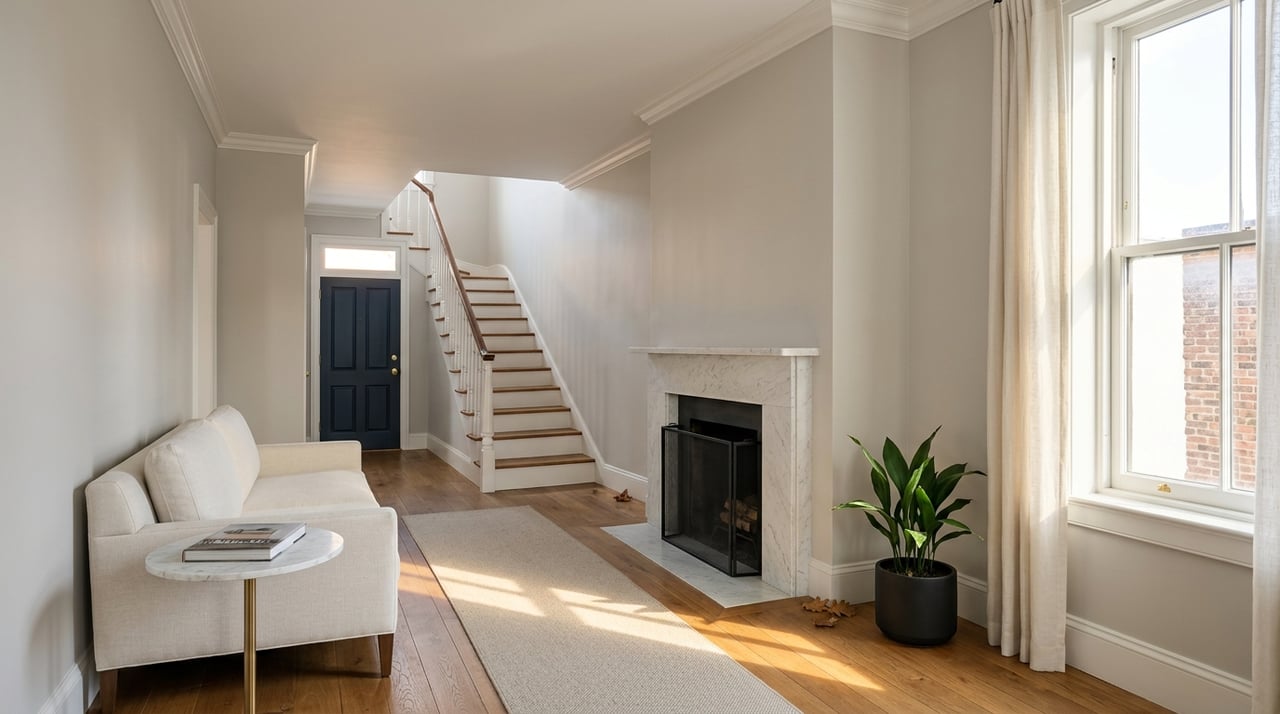
Choosing between a Beacon Hill rowhouse and a condo is not just about style. In this neighborhood, two homes with a similar historic façade can come with very different ownership rules, maintenance obligations, and resale considerations. If you are trying to decide which path fits your budget, lifestyle, and risk tolerance, this guide will help you compare the tradeoffs clearly. Let’s dive in.
Why this choice matters in Beacon Hill
Beacon Hill is one of Boston’s oldest historic districts, with housing that includes Federal and Greek Revival homes, later apartment buildings, and adaptive reuse projects. Some townhouses have also been converted into condominium projects, which means appearance alone does not tell you what you are actually buying. Boston notes that buyers should verify the legal ownership structure in the deed and master deed, not just from the building’s exterior look, and that visible exterior work is subject to Beacon Hill Architectural Commission review.
That matters because the choice between a rowhouse and a condo affects how much control you have, what you are responsible for, and how your financing and resale may unfold. In a neighborhood with older housing stock and historic review requirements, those details can shape both your monthly ownership experience and your long-term costs.
Beacon Hill market conditions today
Inventory in Beacon Hill remains limited. Recent reporting showed roughly 56 homes for sale and a median 55 days on market, while other market trackers reported similar levels of constrained supply and noted that some homes still receive multiple offers.
For you as a buyer, that means preparation matters. A strong offer often starts with pre-approval, a realistic inspection timeline, and, for condos, early collection of association and project documents. In a thin-inventory market, speed helps, but skipping important due diligence can create bigger problems later.
What owning a Beacon Hill rowhouse means
A rowhouse is usually the closer match to single-building ownership. In practical terms, you are generally responsible for the building itself, including major systems and structural components. Massachusetts guidance explains that the building owner is responsible for insuring the building.
That level of ownership usually appeals to buyers who want more autonomy. You may have more privacy, fewer shared decision-making layers, and greater control over how the property is maintained and used, subject to local rules and permitting.
The tradeoff is responsibility. With an older Beacon Hill property, major components like masonry, roofing, foundation elements, plumbing, electrical, and heating systems can be expensive to repair or replace. Massachusetts home inspection standards specifically cover these readily accessible systems and components, which is one reason inspections are especially important when you are considering an older house.
Rowhouse pros
- More direct control over the building
- More privacy than many condo setups
- No condo association governance structure
- Decisions about repairs and maintenance are generally more direct
Rowhouse challenges
- You carry the full burden of capital repairs
- Building insurance is your responsibility
- Exterior work visible from a public way may require historic review
- Older building systems can create larger surprise costs
What owning a Beacon Hill condo means
A condo is a different legal structure, even if the building looks like a classic townhouse from the street. Massachusetts says condo ownership is governed by the master deed, unit deed, bylaws, and Chapter 183A, and that associations must maintain an adequate replacement reserve fund.
In practice, condo ownership usually means you own your unit while sharing responsibility for common elements through the association. The association or managing agent handles records and oversight of common-area maintenance, and the association typically insures common elements and shared building components. Your own insurance generally covers what the master policy does not.
For many buyers, that shared structure is the appeal. A condo may reduce the amount of exterior upkeep you handle directly, and some projects may include added services or amenities. The tradeoff is that you give up some control and take on project-level risk tied to the association’s finances, rules, and maintenance decisions.
Condo pros
- Shared exterior and common-area maintenance
- Building oversight is spread across the association
- Reserve funding can help plan for future repairs
- May suit buyers who want less direct building management
Condo challenges
- Association rules affect ownership experience
- Project finances can affect your costs and resale
- Financing can depend on project eligibility, not just your finances
- Special assessments may arise from time to time
Rowhouse vs condo: the practical comparison
If you want a simple way to frame the decision, think about control, maintenance, and project risk.
| Factor | Rowhouse | Condo |
|---|---|---|
| Control | Higher direct control | Shared decision-making |
| Maintenance | Owner handles more directly | Shared through association |
| Privacy | Usually higher | Depends on project layout |
| Insurance structure | Owner insures building | Association insures common elements, owner covers unit gaps |
| Financing | Focused more on property and borrower | Also depends on project eligibility |
| Resale drivers | Condition, systems, permit history | Unit appeal plus project health |
Neither option is automatically better. The better fit depends on how comfortable you are managing repairs yourself versus working within association rules and finances.
Historic district rules affect both options
One of the biggest Beacon Hill realities is that historic-district rules apply whether you buy a rowhouse or a condo. Boston states that exterior work visible from a public way is subject to review by the Beacon Hill Architectural Commission. That means visible window changes, doors, exterior fixtures, or façade updates may require approval before work begins.
This is important because some buyers assume a condo means freedom from exterior decision-making. In reality, both ownership types can involve review steps, though a condo may add another layer because association approval may also be required depending on the documents.
Financing and document review matter more for condos
With a rowhouse, financing tends to focus on the borrower and the property itself. With a condo, lenders may also review the project. Fannie Mae and Freddie Mac use project review tools, and Freddie Mac’s Condo Project Advisor can flag issues like excessive commercial space, litigation, critical repairs, or questions around common-element ownership and mandatory dues. Fannie Mae also updated condo project standards in March 2026, including reserve-study and property-insurance requirements through its Condo Project standards guidance.
For you, that means a polished unit interior is only part of the story. The condo dossier matters too. Massachusetts notes that questions about condo rights, responsibilities, and documents are legal issues that are best reviewed by a real estate attorney, especially because condo documents can include items like a right of first refusal or a priority lien for unpaid common charges.
Key condo documents to review
- Master deed
- Unit deed
- Bylaws
- Budget
- Reserve fund details
- Special assessment history
- Master insurance information
- Any known litigation or critical repair issues
A clean project screening result is helpful, but it is not the same as final lender approval. That is why early document review can save time and reduce stress later in the deal.
Inspections are still essential in Beacon Hill
Massachusetts gives buyers stronger inspection protection than many people realize. The state says home inspections for residential buildings with 1 to 4 units, including condo units, must be completed by a licensed home inspector and include a written evaluation. A 2025 state policy also says sellers and agents cannot condition a sale on the buyer waiving the inspection, and buyers must be given a reasonable opportunity to inspect and review results under the state’s residential home inspection rules.
In Beacon Hill, that creates a practical middle ground. You can stay competitive with a tight inspection timeline without giving up a meaningful inspection altogether. That is especially important when dealing with older structures, aging systems, or condo projects where common-element conditions may affect your ownership costs.
For condo purchases, the strongest due diligence usually pairs the physical inspection with document review. A clean kitchen renovation does not tell you whether reserves are underfunded or whether major common repairs are coming.
Resale looks different for rowhouses and condos
When you think ahead to resale, rowhouses and condos often behave differently. For a rowhouse, future value is often tied closely to condition, maintenance history, permit history, and how much visible exterior work a future buyer may need to take on. In Beacon Hill, historic review requirements are part of that equation.
For a condo, resale can depend on the project as much as the unit. Reserve strength, governance, pending repairs, special assessments, and lender eligibility can all affect how easy the next buyer’s financing process will be. In a neighborhood where historic buildings are sometimes divided into condo ownership, that project-level health can matter a great deal.
How to decide which fit is right for you
A Beacon Hill rowhouse may be the better fit if you:
- Want more autonomy over the property
- Are comfortable budgeting for major repairs
- Prefer fewer shared governance decisions
- Understand the realities of maintaining an older building
A Beacon Hill condo may be the better fit if you:
- Prefer shared upkeep for exterior and common areas
- Want less direct responsibility for the building shell
- Are comfortable reviewing association rules and finances
- Can tolerate project-level financing and document scrutiny
The smartest choice usually comes down to your tolerance for maintenance, governance, and risk. If you like control and can absorb building-level responsibilities, a rowhouse may feel worth it. If you prefer shared upkeep and a more structured ownership model, a condo may be the stronger match.
Final thoughts for Beacon Hill buyers
In Beacon Hill, the right decision is rarely just about charm or curb appeal. It is about understanding what you are truly buying, how the ownership structure affects your costs and control, and what risks may follow you into financing and resale.
That is where disciplined process matters. When you verify ownership form early, review condo documents before the last minute, and keep inspections meaningful, you put yourself in a stronger position to buy with confidence. If you want clear, numbers-driven guidance on buying in Beacon Hill or across Greater Boston, connect with Henry Rowe.
FAQs
What is the main difference between a Beacon Hill rowhouse and a Beacon Hill condo?
- A rowhouse usually gives you more direct control and more responsibility for the building, while a condo usually shares maintenance and governance through an association.
Do Beacon Hill condos and rowhouses both face historic district rules?
- Yes. Boston states that exterior work visible from a public way in Beacon Hill is subject to review by the Beacon Hill Architectural Commission.
Why do Beacon Hill condo buyers need to review association documents?
- Condo buyers need to review documents because project finances, reserve funding, insurance, rules, and possible special assessments can affect financing, ownership costs, and resale.
Can a Beacon Hill townhouse actually be a condo?
- Yes. Some Beacon Hill townhouses have been converted into condominium projects, so buyers should confirm the legal ownership form in the deed and master deed.
Should Beacon Hill buyers still use an inspection contingency in a competitive market?
- Yes. Massachusetts law protects a buyer’s reasonable opportunity to inspect, so a fast but meaningful inspection timeline is often a smarter strategy than skipping inspection due diligence.
What helps a Beacon Hill condo resale stay competitive?
- Strong project health can help, including reserve strength, sound governance, manageable assessments, and lender-friendly project conditions, along with the unit’s own condition and presentation.