If you are considering the South End, you are probably looking for more than a home address. You are looking for a daily rhythm that feels connected, walkable, and distinctly Boston. The South End offers that mix through historic brownstones, restaurant-lined corridors, pocket parks, and a street life that changes from quiet side blocks to busy main avenues. Here is what to know before you buy, sell, or simply decide whether South End living fits your goals.
What South End feels like
The South End sits just south of Back Bay and blends historic architecture with an active urban pace. Boston Planning's 2025 profile estimates about 34,582 residents, making it a substantial residential neighborhood rather than a small enclave. That scale matters because it helps explain why the area feels lived-in all day, not just active at night.
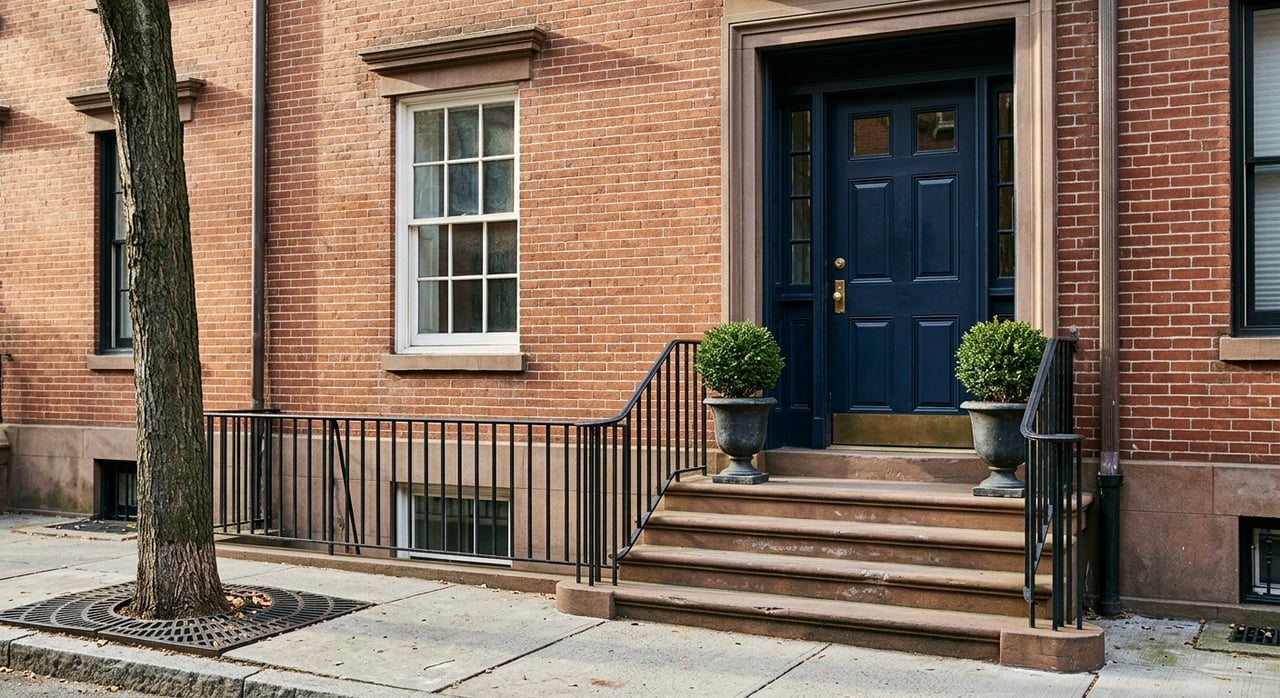
What many people notice first is the architecture. The neighborhood is known for Victorian townhouses and brownstone buildings, and Boston Planning describes it as the largest Victorian residential district in the United States. Preservation standards also reinforce the visual unity of the blocks, which helps the neighborhood feel consistent even as housing types vary.
That said, the South End is not only a rowhouse postcard. Boston Planning describes a mix that includes historic brick town homes, publicly funded housing, and newer infill. In practical terms, you get a neighborhood with a strong historic identity that still functions like a modern, evolving part of Boston.
Brownstones shape the streetscape
The South End's regular street grid and network of small parks give the neighborhood much of its appeal. Originally built on tidal flats in the mid-1800s, it developed with a layout that still feels orderly and walkable today. That structure supports the block-by-block rhythm people often associate with the area.
Preservation rules matter here, especially if you are buying or selling property within the landmark district. Exterior changes are reviewed, and city standards prioritize original masonry, windows, and rowhouse proportions. For buyers, that can mean understanding limits and responsibilities before making renovation plans.
For sellers, the same historic framework can be part of the value story. South End properties often benefit from the neighborhood's recognizable architectural identity and cohesive block appearance. At the same time, buyers usually want clear information about condition, updates, and what changes may require review.
Dining is part of daily life
The South End is known for restaurants, but the food scene is only one part of how the neighborhood works. Boston.gov points to Tremont Street's Restaurant Row, Shawmut Avenue's boutiques and restaurants, and SoWa Open Markets on Harrison Avenue on Sundays from 10 a.m. to 4 p.m. Those destinations create a pattern where errands, coffee, meals, and weekend browsing often happen close to home.
Boston Planning also notes that restaurants, bars, galleries, and boutiques line Tremont and Washington Streets. That means your day can shift easily from practical to social without much planning. In a neighborhood like this, convenience is less about big parking lots and more about having useful places clustered along main corridors.
If you are deciding whether the South End feels too busy, the better answer is that it has range. Main streets carry more energy, especially around dining and retail clusters. Side streets and residential stretches often feel calmer, particularly near the neighborhood's many small parks and squares.
Parks soften the density
One reason the South End feels more balanced than some dense urban neighborhoods is its open-space pattern. Boston.gov highlights nearly 30 parks in the neighborhood, and the city parks inventory includes places like Blackstone Square, Franklin Square, Peters Park, Titus Sparrow Park, Worcester Square, and Union Park Street Playground. These are not massive green spaces, but they add relief and rhythm to daily life.
That matters if you value walkability but do not want every block to feel hardscaped. The neighborhood's repeated pockets of seating areas, playgrounds, and landscaped squares break up the density. They also create natural pauses between busier commercial streets.
For many buyers, that mix is part of the South End tradeoff. You may not get large private outdoor space, but you do get a neighborhood pattern with frequent public open space nearby. For sellers, proximity to a known square or park can also be part of how buyers picture day-to-day living.
Arts and institutions shape the rhythm
The South End is often discussed through food and architecture, but weekday activity is shaped by more than restaurants. Boston Planning notes that the Boston Center for the Arts anchors the area's arts scene and brings performances to the neighborhood. That adds another layer to the local experience, especially during evenings and weekends.
Institutional activity also matters. Boston Planning identifies Boston Medical Center and Boston University School of Medicine as major tenants in the neighborhood. As a result, foot traffic is influenced not just by leisure plans, but also by work, study, appointments, and shift schedules.
This is why the South End can feel both residential and active at the same time. It has a steady baseline of movement that does not depend on one single use. For buyers, that usually translates into a neighborhood with all-day relevance, not just occasional buzz.
Housing in South End is compact
If you are comparing the South End with more space-oriented neighborhoods, the housing mix is important to understand. Boston Planning's 2025 profile reports 19,214 housing units, with 47.3% made up of 0 to 1 bedroom homes, 36.8% with 2 bedrooms, and 15.9% with 3 or more bedrooms. In simple terms, a large share of the neighborhood is built for smaller households.
That does not make the area one-dimensional, but it does shape who tends to fit well here. Buyers who value location, walkability, and architectural character may find the tradeoff worthwhile. Buyers who need substantial interior space may need to be especially selective.
The tenure mix also matters. The same profile reports that 61.2% of units are renter-occupied. That creates a neighborhood with strong demand from both owners and renters, which is useful context whether you are buying a primary residence, evaluating a condo for future flexibility, or preparing to sell into a market where buyers are comparing ownership costs closely.
Prices stay high, but signals vary
South End remains an expensive market, though short-term conditions can look different depending on the source. Redfin reports a median sale price of $1,287,067 over the three months ending May 2026 and describes the neighborhood as very competitive. Realtor.com reports a median listing price of $1.099 million, a median rental price of $3,950, and a 97% sale-to-list ratio in May 2026.
Zillow's typical home value for South End is reported at $1,089,266, up 0.9% year over year. Because these platforms use different methods and time windows, the safest takeaway is not to focus on one headline number. Instead, treat South End as a closely watched, high-cost market where pricing strategy and property-specific analysis matter.
That is especially true for sellers. In a neighborhood where buyer expectations are shaped by architecture, condition, layout, and street location, correct pricing is rarely about broad averages alone. Buyers also benefit from careful analysis because small differences in building type, updates, and block location can affect value materially.
Commuting is walk-first and transit-aware
South End living is closely tied to how you move through the city. Boston.gov describes the neighborhood as just minutes from Downtown and Back Bay. The city's 2025 profile shows that 29.6% of resident workers walk to work, 17.4% use public transit, 24.1% drive or carpool, and 23.1% work primarily from home.
The car picture is equally telling. Boston reports that 37.6% of South End households have no vehicles. That does not mean car ownership is impossible or unnecessary for everyone, but it does support the idea that many residents build their routines around walking, transit, and nearby amenities.
The Washington Street corridor is an important example. Boston.gov reports that Silver Line routes 4 and 5 serve the area, with more than 24,000 bus commuters each weekday, and that bus and bike-only lanes shape the street. If you are trying to picture everyday life here, that data points to a neighborhood where transportation is part of the street experience, not hidden away from it.
Who South End tends to fit
The South End often appeals to buyers who want a central Boston location and are comfortable making a space-for-location tradeoff. Based on the housing mix, the neighborhood may fit first-time buyers, singles, couples, and downsizers more naturally than buyers seeking large interiors. That is not a rule, but it is a useful planning lens.
It can also appeal to sellers who own property with historic character, strong walkability, or access to key neighborhood corridors. Buyers in this market often respond to clear presentation, accurate pricing, and realistic expectations about size, condition, and building constraints. In other words, the details matter.
If you are drawn to the South End, the real question is less about whether it is trendy and more about whether its rhythm matches your own. Some people want quiet separation from the city. Others want a neighborhood where parks, restaurants, arts venues, and daily errands are all part of the same few blocks.
What to weigh before you buy or sell
Before buying in the South End, focus on the basics that shape daily life most:
- How much interior space you truly need
- Whether your routine is walk-first, transit-oriented, or car-dependent
- How close you want to be to main streets like Tremont, Columbus, Washington, or Mass Avenue
- Whether landmark district review could affect future exterior plans
- How building type, condition, and layout compare with asking price
Before selling in the South End, it helps to be realistic about what buyers will measure closely:
- Price relative to recent local competition
- Layout efficiency and bedroom count
- Condition of historic details and major updates
- Street location and proximity to parks or active corridors
- The balance between charm, function, and monthly ownership costs
In a neighborhood this specific, strong outcomes usually come from clear analysis, not broad assumptions. South End buyers and sellers are often comparing tradeoffs carefully, and the homes that perform best are usually the ones positioned with precision.
If you are weighing a move in the South End or trying to understand how your property fits this market, working with an agent who values pricing discipline, neighborhood context, and clean execution can make the process much more manageable. To plan your next step with clear, direct guidance, connect with Henry Rowe.
FAQs
What is South End living in Boston like day to day?
- South End living is best described as busy, walkable, and dense, with restaurant corridors, arts activity, institutional foot traffic, and calmer moments around small parks and residential side streets.
What type of housing is common in Boston's South End?
- The neighborhood has a compact housing mix, with many 0 to 1 bedroom and 2 bedroom homes, plus historic rowhouses, condos, publicly funded housing, and newer infill within a preserved historic setting.
Are South End brownstones the only housing option?
- No. Brownstones and Victorian townhouses define much of the neighborhood's character, but the South End also includes other housing types and newer development that fits within the area's broader streetscape.
Is South End Boston a good fit if you want a car-light lifestyle?
- For many people, yes. City data shows strong rates of walking, transit use, and households without vehicles, which supports a walk-first, transit-aware daily routine.
What should buyers know about South End home prices?
- South End is an expensive market, and pricing can look different depending on the source, so buyers should evaluate each property closely rather than rely on a single neighborhood-wide number.
What should sellers know before listing a South End property?
- Sellers should pay close attention to pricing, layout, condition, historic details, and how the home's specific location compares with nearby competition in the neighborhood.