Ever wonder why Brookline feels different from both Boston and a typical suburb? That question comes up a lot because Brookline blends quiet residential streets, walkable village centers, transit access, and everyday convenience in a way that is hard to sum up with one label. If you are thinking about moving here, this guide will help you picture the rhythm of daily life, the housing tradeoffs, and what your routine might actually look like. Let’s dive in.
Brookline feels residential, but connected
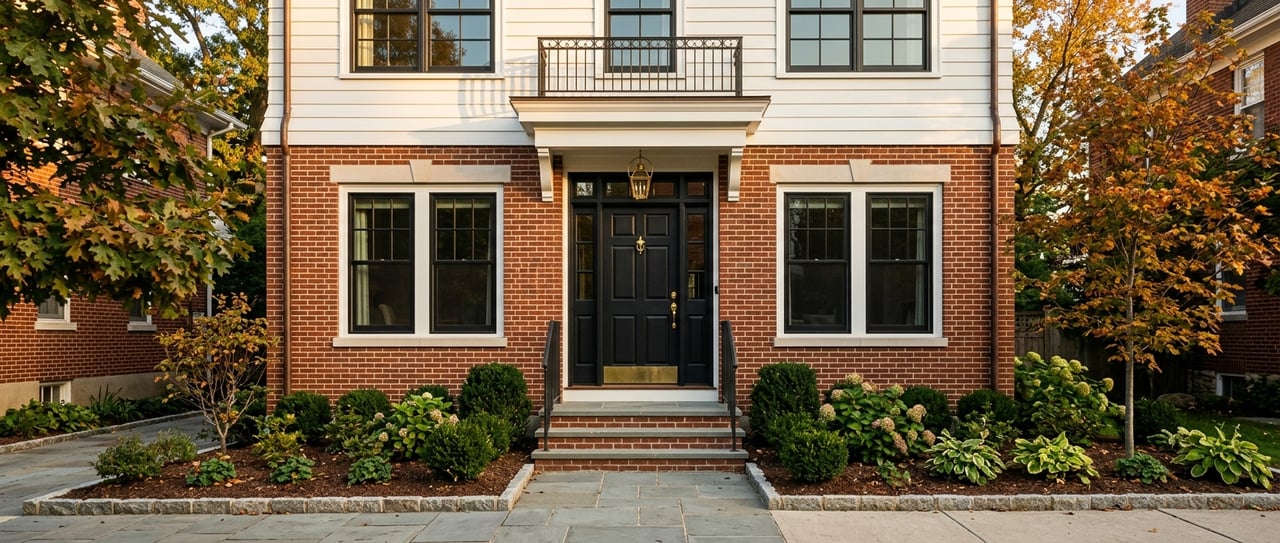
Brookline is about four miles from downtown Boston, but it does not read like a dense urban core or a far-out suburb. The town describes itself as a mature suburban residential community with urban characteristics, which is a pretty accurate starting point. It is surrounded by Boston on three sides and has a neighborhood-centered feel that comes from its history as a streetcar suburb.
That history still shapes daily life today. Brookline never developed major industrial areas, and less than 6% of its land is zoned commercial. In practical terms, that means much of your experience here is defined by homes, side streets, parks, and village centers rather than office towers or warehouse districts.
Village life defines the routine
One of the first things you notice about Brookline is that it does not revolve around one big downtown. Instead, commercial activity is spread across village centers, each with its own role in everyday life. That setup gives the town a more local, lived-in feel.
Coolidge Corner tends to stand out for restaurants and retail. Brookline Village has the highest concentration of service businesses, which matters when you are thinking about errands and practical day-to-day convenience. Other active commercial areas include Washington Square, Commonwealth Avenue, JFK Crossing, Chestnut Hill, St. Mary’s Station, and Putterham.
The town’s 2024 commercial survey also helps explain the street-level feel. Most storefronts are small, independent businesses, with a mix that leans heavily toward restaurants and services. If you like the idea of grabbing coffee, picking up essentials, meeting someone for dinner, or checking off errands without always leaving town, Brookline supports that kind of routine well.
Transit is part of everyday life
For many people, living in Brookline means building at least part of your routine around transit. The Green Line is the main link into town and across nearby areas. The C branch runs along Beacon Street through places like Coolidge Corner, while the D branch connects the Longwood Medical Area with Brookline Village and Reservoir Station.
The B branch also serves the northern edge of Brookline, and several MBTA bus routes add flexibility. Routes 51, 60, 65, and 66 all serve the area, with Route 66 connecting Brookline Village and Coolidge Corner to Boston and Cambridge. Even if you keep a car, the transit network can shape how you think about commuting, appointments, dinner plans, and weekend errands.
Your days often center on work, errands, and close-in access
Brookline’s appeal is tied closely to proximity. The town highlights access to jobs, public transportation, green space, historic preservation, and commercial services as key parts of its identity. That combination tends to create a lifestyle where you can move between home, work, errands, and recreation without feeling spread too thin.
For some residents, that means a morning commute into Boston, Cambridge, or the Longwood Medical Area. For others, it means working nearby and valuing how quickly you can get to transit, neighborhood businesses, or a park. The point is less about one single lifestyle and more about ease of connection.
Parks are woven into regular life
Brookline’s park system is not just a bonus feature. It is part of what gives the town its everyday texture. The parks department describes the system as substantial and diverse, with everything from small neighborhood playgrounds to larger historic landscapes and natural areas.
Places like Larz Anderson Park, Brookline Reservoir Park, Fisher Hill Reservoir Park, Corey Hill Playground, Amory Playground, and Warren Field/Eliot Playground show how green space is spread through town life. Depending on where you live, your version of Brookline might include morning walks, playground stops, time outside with a dog, or a quick reset at the reservoir after work.
That matters because parks change how a place feels between major destinations. In Brookline, green space often shows up as part of the routine, not just as something you drive to once in a while.
Brookline offers convenience, not a one-size-fits-all pace
Some towns feel sleepy. Others feel nonstop. Brookline usually lands somewhere in between. Because it has urban characteristics, village-based commerce, and strong transit access, the pace can feel active without necessarily feeling chaotic.
Your experience will vary by area and housing type. A condo near Beacon Street or Coolidge Corner may feel more plugged into foot traffic, restaurants, and transit. A detached home on a quieter residential street may feel more tucked away while still keeping daily essentials within reasonable reach.
The housing tradeoffs are real
If you are considering Brookline, it helps to be honest about the housing conversation. This is an expensive market, and the numbers show clear differences by property type. According to the town’s FY2026 assessors presentation, average assessed value per parcel was $2,844,212 for single-family homes and $977,794 for condos.
Two-family and three-family homes also sit at elevated levels, with average assessed values of $2,303,456 and $1,990,076. Those figures do not tell you what any one home should cost, but they do illustrate the pricing ladder. In daily life terms, Brookline often asks you to make tradeoffs between space, location, housing style, and budget.
Condo living and single-family living feel different here
In Brookline, a condo and a single-family home can support very different lifestyles. A condo may offer easier access to transit, village centers, and a more lock-and-leave routine. It can be a practical fit if you want proximity and lower maintenance compared with a detached property.
A single-family home may offer more privacy and space, but usually at a much higher price point. That choice often comes with a sharper budgeting conversation, especially in a market where detached homes sit on a very different rung of the value ladder. If you are weighing options, the right answer usually comes down to how you want to live day to day, not just what looks best on paper.
The market moves quickly
Brookline is not just expensive. It is also tight. Zillow reported an average Brookline home value of $1,141,112 as of May 31, 2026, and homes going pending in about 11 days.
Redfin reported a median sale price of $1,408,657 over the three months ending May 2026, with homes averaging about 19 days on market and roughly two offers per home. Those figures are measured differently, so they are not direct apples-to-apples comparisons. Still, both point to a market where strong homes can move fast and preparation matters.
Supply constraints shape the feel of the market
Part of what you feel in Brookline is not just demand. It is constrained supply. The town had 27,742 housing units in the 2020 Census, including 2,050 deed-restricted affordable units, or 7.4% of the total stock, according to the 2025 Brookline Homes presentation.
Brookline’s inclusionary zoning by-law also requires projects with four or more residential units to provide affordable units or contribute to the Brookline Housing Trust. You do not need to know the policy details to feel the effect. What shows up in real life is a market where housing conversations often center on tradeoffs, timing, and availability rather than unlimited choice.
What living in Brookline often feels like
So what does it actually feel like to live in Brookline? For many people, it feels structured, convenient, and neighborhood-oriented. You may find yourself moving through the week by village center, transit stop, local park, and the small routines that make a place feel settled.
It can also feel competitive from a housing standpoint. That is especially true if you are trying to balance access, space, and budget in the same search. But for buyers who value a residential setting with urban access, Brookline tends to make sense in a very tangible, everyday way.
If you are trying to figure out whether Brookline fits your goals, the key is to look past the headline prices and focus on how you want your life to work. Commute, errands, green space, housing type, and pace all matter here. If you want help thinking through those tradeoffs with a clear, numbers-driven strategy, Henry Rowe can help you evaluate the market and move with confidence.
FAQs
What is daily life in Brookline like for residents?
- Daily life in Brookline often feels neighborhood-centered, with routines shaped by residential streets, village centers, transit access, local services, and regular use of parks.
What makes Brookline different from other Boston-area towns?
- Brookline combines suburban residential character with urban features, including Green Line access, multiple walkable commercial centers, and close proximity to downtown Boston.
What is the housing market like in Brookline?
- Brookline has a high-priced, supply-constrained housing market, with fast-moving listings and clear price differences between condos, single-family homes, and multifamily properties.
What is condo living in Brookline like?
- Condo living in Brookline can support a lower-maintenance lifestyle with strong access to transit, restaurants, services, and village-center convenience, depending on location.
What is single-family living in Brookline like?
- Single-family living in Brookline often offers more space and privacy, but it usually comes with a significantly higher price point than condos.
How does transit affect living in Brookline?
- Transit is a major part of Brookline life because the Green Line branches and MBTA bus routes make it easier to reach Boston, Cambridge, the Longwood area, and other nearby destinations.
Are parks a big part of life in Brookline?
- Yes, Brookline’s park system includes neighborhood playgrounds, reservoir parks, and larger open spaces that are woven into everyday routines across town.